The House Always Wins? Rethinking Luck, Skill, and Strategy in iGaming

Ask ten people why they gamble and you'll get ten different answers. The thrill of a last-second parlay hitting. The quiet read of an opponent's twitch before a bluff. The hypnotic spin of a slot reel at 2 a.m. iGaming has exploded into a multi-billion-dollar ecosystem precisely because it scratches so many psychological itches at once — risk, reward, pattern recognition, and the fantasy of outsmarting the system. But here's the uncomfortable truth most operators would rather you not dwell on: the games are designed to win, and you're playing inside their architecture, not outside it. Knowing how that architecture works is the single best edge you can build.
This isn't a lecture about quitting. It's a tour of how modern casino, betting, slots, and poker ecosystems actually function — and how smart players navigate them without pretending they're beating the math.
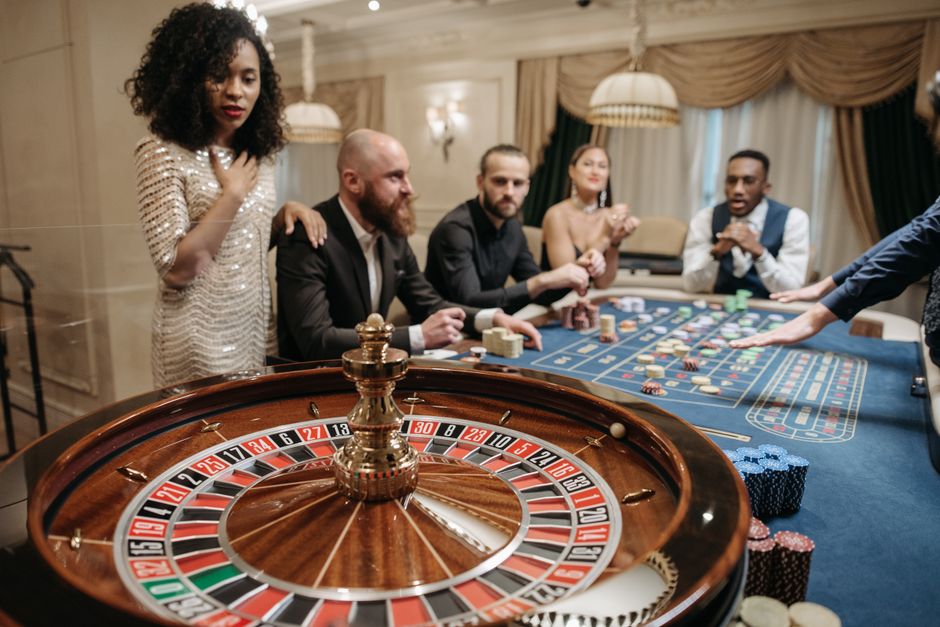
Every casino game carries a built-in house edge, and it isn't an accident born of greed — it's the business model. The edge varies wildly by game, and that variation is where knowledgeable players live.
None of these games can be beaten through "systems." Martingale, Fibonacci, D'Alembert — they're all bankroll management dressed up as strategy. They change the shape of your variance, not the expected value. The only genuine edge in a casino is choosing games with a low margin, playing them with discipline, and walking away at a pre-set point.
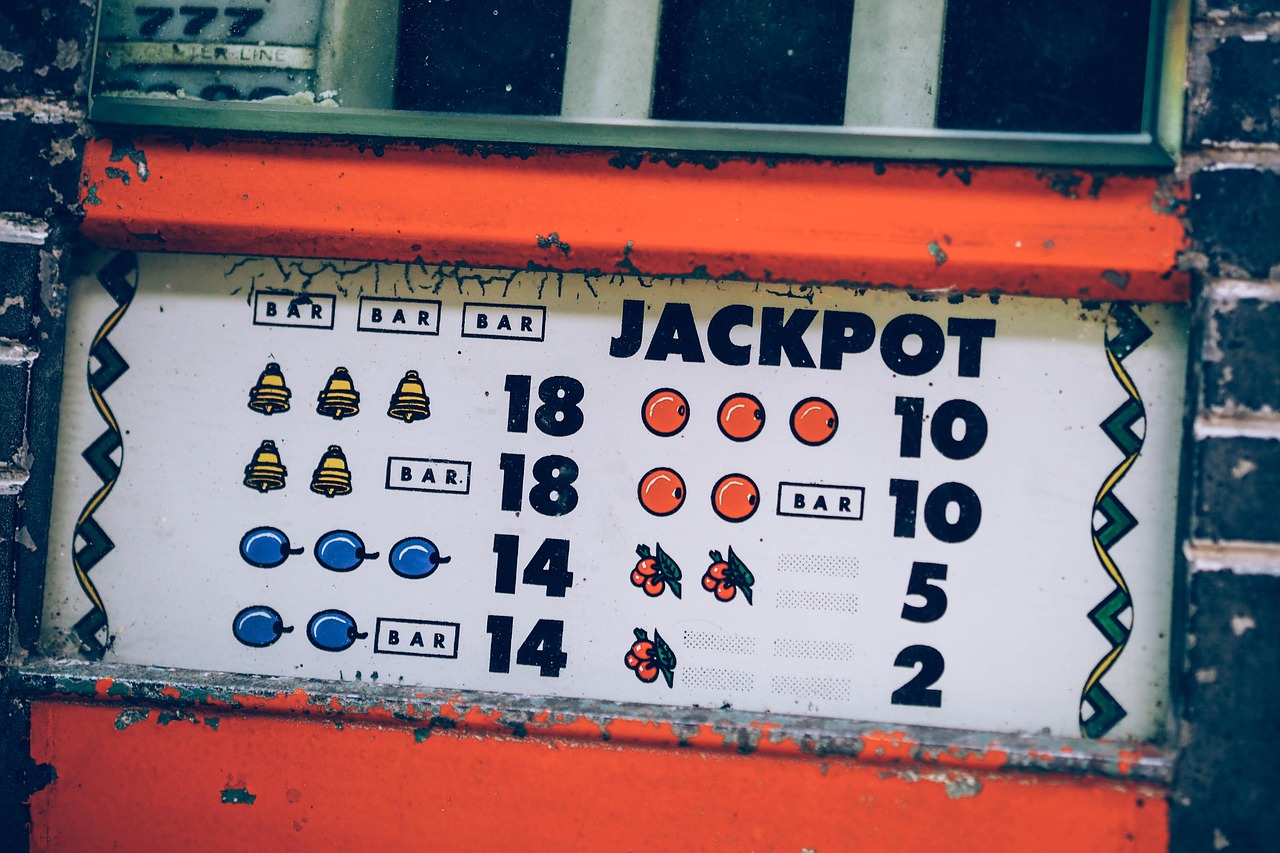
Slots are the most misunderstood product in iGaming. Modern video slots run on certified Random Number Generators (RNGs), usually audited by third parties like eCOGRA, GLI, or iTech Labs. The results are genuinely random — but the payouts are calibrated to a specific Return to Player rate, typically between 94% and 97% online. FUN88 offers a practical breakdown of the topic.
That 3–6% gap is the house's cut, but it isn't deducted gradually. It's baked into a volatile payout distribution. A 96% RTP slot doesn't return 96 cents every dollar. It might return 0% for 400 spins, then dump 300x your stake in a bonus round. This is volatility, and it matters more than RTP for how a session feels.
Pro tip: published RTPs vary between casinos for the same game. A slot might pay 96.2% at one operator and 94.1% at another. Regulated markets like the UK require disclosure; others bury it in help menus. If you care about value, find it before you spin.
Sports betting is the one vertical where informed players can genuinely be profitable over time, because odds reflect public perception as much as true probability. Bookmakers set lines to balance action, not to predict reality. That gap is where sharp bettors operate.
A few principles that separate casual punters from serious ones: You can read more about it on FUN 88.
Promotional boosts, free bets, and cash-out offers can shift value meaningfully — a 20% profit boost on a +150 underdog flips a losing proposition into a marginal winner. But read the terms: max stake caps and qualifying conditions routinely gut the advertised value.
Poker stands apart because you're not playing the house — you're playing other people, and the house just takes a rake. That single structural difference is why professional poker exists and professional roulette does not.
Where does the edge come from? Not from guessing cards. From exploiting human patterns:
The modern poker ecosystem, though, has flattened edges. Solvers, HUDs, and AI training tools have pushed online cash game win rates down to 1–3 bb/100 for strong players at low stakes. Live poker remains softer, and mid-stakes tournaments still reward adaptability more than solvers. If you want sustainable poker profit in 2025, the softest games are almost always live, low-stakes, or in unfamiliar variants like mixed games.
iGaming is not a lottery ticket — it's a structured marketplace of probabilities. Casino games will slowly bleed you unless you treat them as entertainment with a predefined cost. Slots are volatile slot machines with RNGs that don't care about your history. Sports betting and poker are the only two arenas where cognitive skill meaningfully shifts expected value — and even there, most players still lose.
The real edge isn't a system, a hot streak, or a "loose slot." It's knowing exactly which game you're playing, what it costs you per hour on average, and whether the entertainment value justifies the price. That's the mindset that separates people who gamble recreationally for years without wrecking their lives from the ones who chase a fantasy until the math catches up. Choose your games deliberately — and never let a marketing department choose them for you.