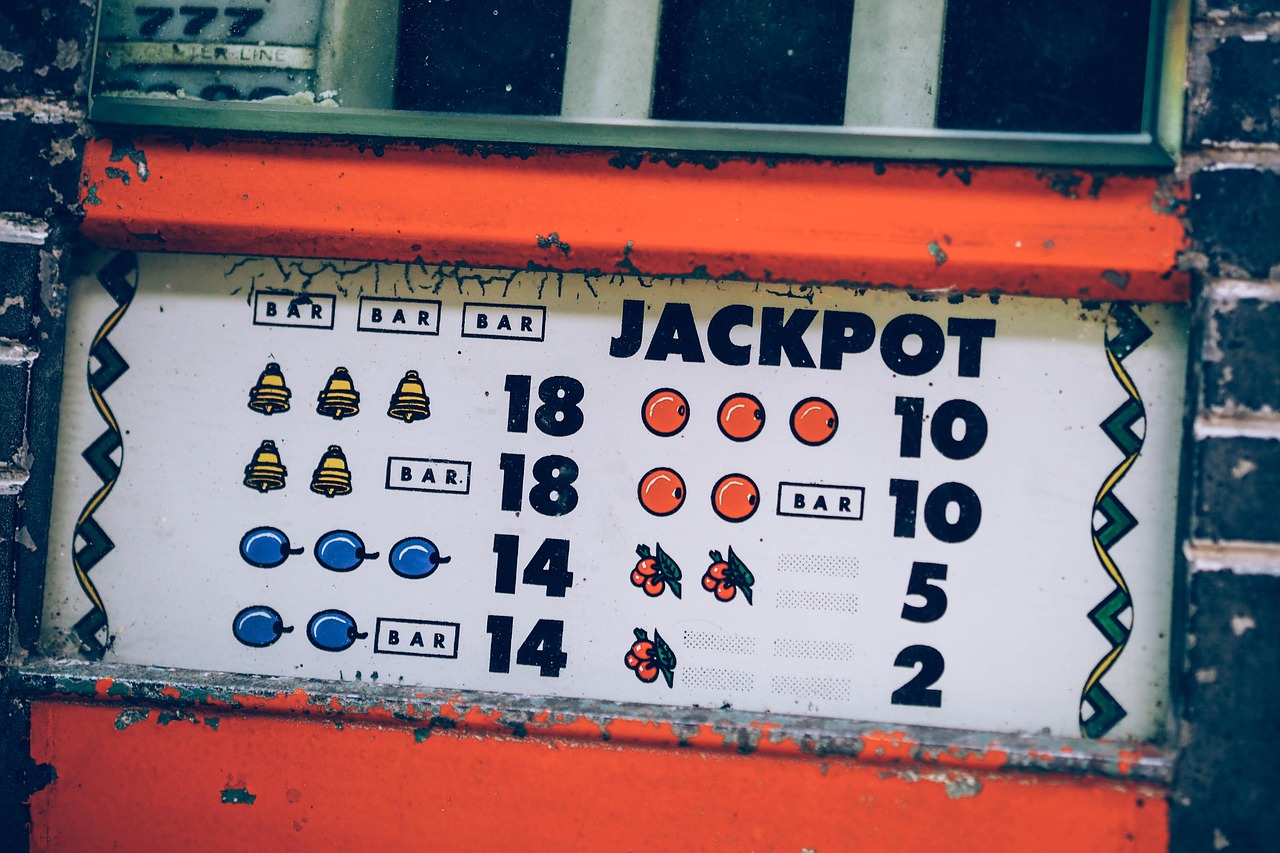
Inside iGaming: Why Slots, Poker and Betting Aren't All the Same
Walk into any iGaming forum and you'll see the same argument play out within minutes: someone insists slots are pure luck, a poker player scoffs, and a sports bettor says both camps are wasting their time. They're all talking past each other. The truth is that slots, poker, and sports betting are three fundamentally different products stitched together under one industry label, and understanding where they diverge is the single fastest way to stop losing money in the ones you don't actually understand.
Every casino game carries a built-in advantage for the operator, but the size of that edge varies wildly, and that variance is what separates a hobby from a slow bleed.
Here's the catch people miss: a high house edge doesn't feel bad in short sessions. If you play 40 spins on a 96% RTP slot, you'll probably walk away close to even or slightly up. The math compounds over thousands of spins, not dozens. That psychological gap between short-term variance and long-term expectation is precisely what keeps the slots lobby full.
Ask a slots regular about return-to-player percentage and you'll often get a shrug. Ask about volatility and you'll get an opinion. That's because on slots, volatility matters more to your experience than RTP does. A 96% RTP machine with high volatility might eat 200 spins before coughing up a 500x win. The same RTP on a low-volatility title dribbles out small wins every few spins, which feels friendlier even though the long-run math is identical.
A few concrete things worth knowing before you spin:
My honest take after years of watching slot sessions: treat them as entertainment with a fixed cost, not an investment. Set a number before you open the game, and when it's gone, it's gone.
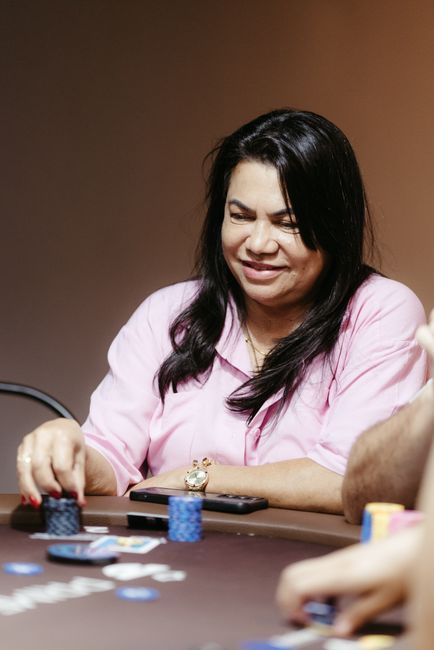
Poker is the outlier in iGaming because you aren't playing against the house. You're playing against other people, minus a rake. That single fact changes everything.
In a casino game, your edge comes from knowing the math. In poker, your edge comes from knowing the math and exploiting the humans across the table. A player who understands position, pot odds, and range construction will beat a player who only knows which hands look pretty. That's why the same stakes can produce a winning regular and a losing fish night after night. See 78WIN for a side-by-side comparison.
Online poker also introduced HUDs and tracking software that fundamentally changed the game. If you're playing cash games at any meaningful stake today, ignoring these tools is a disadvantage you're choosing to accept.
Betting on sports feels the most intellectual of the three because you're ostensibly predicting outcomes. But the market is efficient enough that most casual bettors are simply paying a tax on their fandom.
The bookmaker's margin lives in the odds. A standard two-way market might be priced at -110 on both sides, meaning you have to win about 52.4% of the time just to break even. That threshold is why line shopping across multiple books isn't optional for serious bettors — it's the entire edge for many of them.
The iGaming industry loves to repeat "play responsibly" in fine print, but the practical version of that phrase is boring and specific. Deposit limits. Session timers. A separate bankroll that never touches rent money. A cooling-off period after a big loss instead of a chase. None of this is glamorous, and none of it will make you a better slots player tomorrow. It will, however, keep you in the game longer and stop a bad week from becoming a bad year.
The uncomfortable truth is that all three verticals — slots, poker, betting — are designed to be entertaining first and profitable second, for the player. The house doesn't need you to lose every session. It just needs the math to play out over time. Your job is to decide which games you actually have an edge or enjoyment in, and to stop pretending the others are something they're not.
If there's one pattern worth noticing, it's this: people apply poker thinking to slots, slots thinking to betting, and betting thinking to poker. They chase losses on a 96% RTP machine as if skill will save them. They bet parlays because the payout feels exciting even though the math is worse. They play poker for the thrill and then wonder why the regulars keep taking their stack. You will find a helpful summary at 78 WIN.
Pick one vertical. Learn its specific economics — RTP and volatility for slots, rake and position for poker, juice and line value for betting. Then treat your bankroll as a tool instead of a scoreboard. That's not a guarantee of profit, because nothing is. It's just the difference between being a player and being played.
Previous Post
Slot Volatility Explained: Why Big Wins Aren't Always Better
Next Post
The House Always Wins? Rethinking Luck, Skill, and Strategy in iGaming