Slot Volatility Explained: Why Big Wins Aren't Always Better
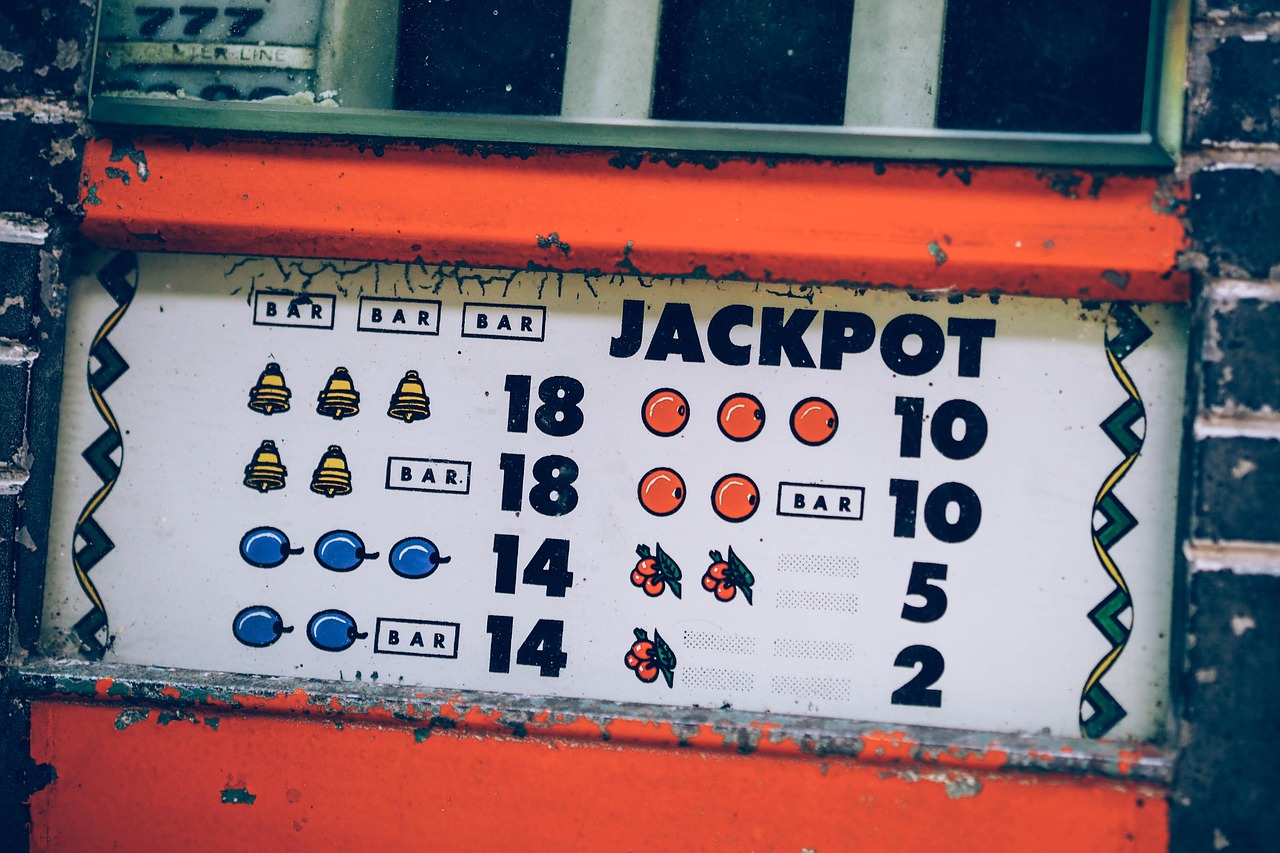
Two players sit side by side at the same online casino, both spinning the same slot. Player A hits a 500x win in ten minutes and cashes out grinning. Player B has been grinding the same game for two hours and is down 40% of their deposit. Same game, same payout percentage, wildly different experiences. The culprit isn't luck in the cosmic sense—it's volatility, and it's the single most misunderstood number in iGaming.
Most players pick slots based on theme or the size of the jackpot shown in the lobby. That's a mistake. Understanding volatility (sometimes called variance) tells you more about whether a game fits your bankroll than any glittering "Mega Jackpot" banner ever will.
Volatility describes the distribution of a slot's payouts over time. Every slot has an RTP (Return to Player), typically between 94% and 97%. Over millions of spins, the machine returns that percentage. But RTP says nothing about how it returns it. Those comparing choices often turn to 78Win.
A low-volatility slot pays out frequently in small amounts—think 2x, 5x, maybe 20x on a good spin. A high-volatility slot may eat 200 spins without a meaningful win, then suddenly drop a 1,000x bonus round. Both can carry identical RTPs. The difference is the ride.
Here's a rough framework the industry uses:
A concrete example: Pragmatic Play's Sweet Bonanza sits at high volatility with a max win of 21,100x. Play'n GO's Fire Joker is low-to-medium volatility and rarely pays more than 100x. If you have a $50 bankroll, Sweet Bonanza will likely destroy it. Fire Joker won't excite you, but you'll still be spinning an hour later.
Something players consistently underestimate is how long losing streaks get on high-variance games. If a slot has a 25% hit rate per spin (fairly typical), the odds of going 20 spins without a single win are about 0.3%—seems fine. But over a 500-spin session, you can expect to hit a 20-spin drought multiple times just by the laws of probability. You will find a helpful summary at 78 Win.
Push that to a 15% hit rate—common on high-volatility slots—and a 30-spin losing streak becomes a near-certainty in any long session. That's not the game being rigged. That's math doing what math does.
This is why bankroll size matters more than most players realize. Standard advice: you want at least 200-300 bets' worth of capital for medium volatility, and 400+ for high volatility. On a $1 spin, that means $400 minimum if you're chasing big multipliers. Below that, you're gambling on catching lightning in a bottle before the bottle runs dry.
There's no universally "best" volatility. It depends entirely on what you're trying to do.
A quiet truth: most players discover their tolerance for volatility the hard way, after a brutal session on a game they didn't research. Checking the volatility rating in the game info panel takes ten seconds. Do it before depositing, not after.
Slots aren't the only games where variance rules the roost. Consider how different the same concept looks across the iGaming ecosystem:
In blackjack, variance is relatively low because the house edge is small (0.5% with basic strategy) and decisions matter. A skilled player can grind for hours with small swings. In poker—especially tournaments—variance is brutal. A great player can go dozens of tournaments without a final table, because one bad beat eliminates you entirely. Cash games are lower variance; MTTs are effectively high-volatility slots with a skill layer.
Then there's the growing market of crash-style and instant-win games, which crank variance to extremes. These games usually have high max multipliers (10,000x or more) but hit rates that can dip below 5%. They're designed for short, explosive sessions—not long grinding.
Even within sports betting, volatility shows up in how you structure wagers. A single moneyline bet on a heavy favorite is low variance. A 10-leg parlay with long odds is maximum variance disguised as strategy. Same bankroll, completely different probability profiles.
Before you open a game, ask three questions:
If you want a long session, low or medium volatility is the honest answer. If you want a shot at 5,000x, you're choosing high volatility—and you should accept that most sessions will end with a loss. That's not pessimism; it's the terms of the trade.
The players who last longest in iGaming aren't the ones who chase the biggest multipliers. They're the ones who understand that volatility is a tool, not a trap. Pick games that match your bankroll and your patience, not the ones with the flashiest marketing. A 200x win on a medium-variance slot that kept you spinning for three hours is worth more—in actual money and actual enjoyment—than a 10,000x screenshot you'll never see in your own account.
Chase the experience you can afford to have. The big wins still show up sometimes. They just won't wreck you when they don't.
Previous Post
Slot Volatility Explained: Why Bonuses Lie and Variance Tells Truth
Next Post
Inside iGaming: Why Slots, Poker and Betting Aren't All the Same