Slots, Poker, and the Real Odds: A Smart Player's Guide

You've seen the flashy ads: a twenty-something in a tuxedo wins a million on a single spin, or a poker pro turns a $10 buy-in into a six-figure score. It's easy to get swept up in the hype. But if you're going to put real money on the line, whether it's a slot machine, a sportsbook bet, or a seat at a Texas Hold'em table, you owe it to yourself to understand the machinery underneath. This isn't about killing the fun. It's about playing smarter, lasting longer, and actually enjoying the ride.
Let's cut through the noise. Here are the numbers, strategies, and hard truths that separate a casual player from a savvy one.
Every game in a casino, online or on the strip, has a built-in mathematical advantage for the operator. That's the house edge. It's not a scam; it's the business model. But knowing the size of that edge tells you which games give you the best shot.
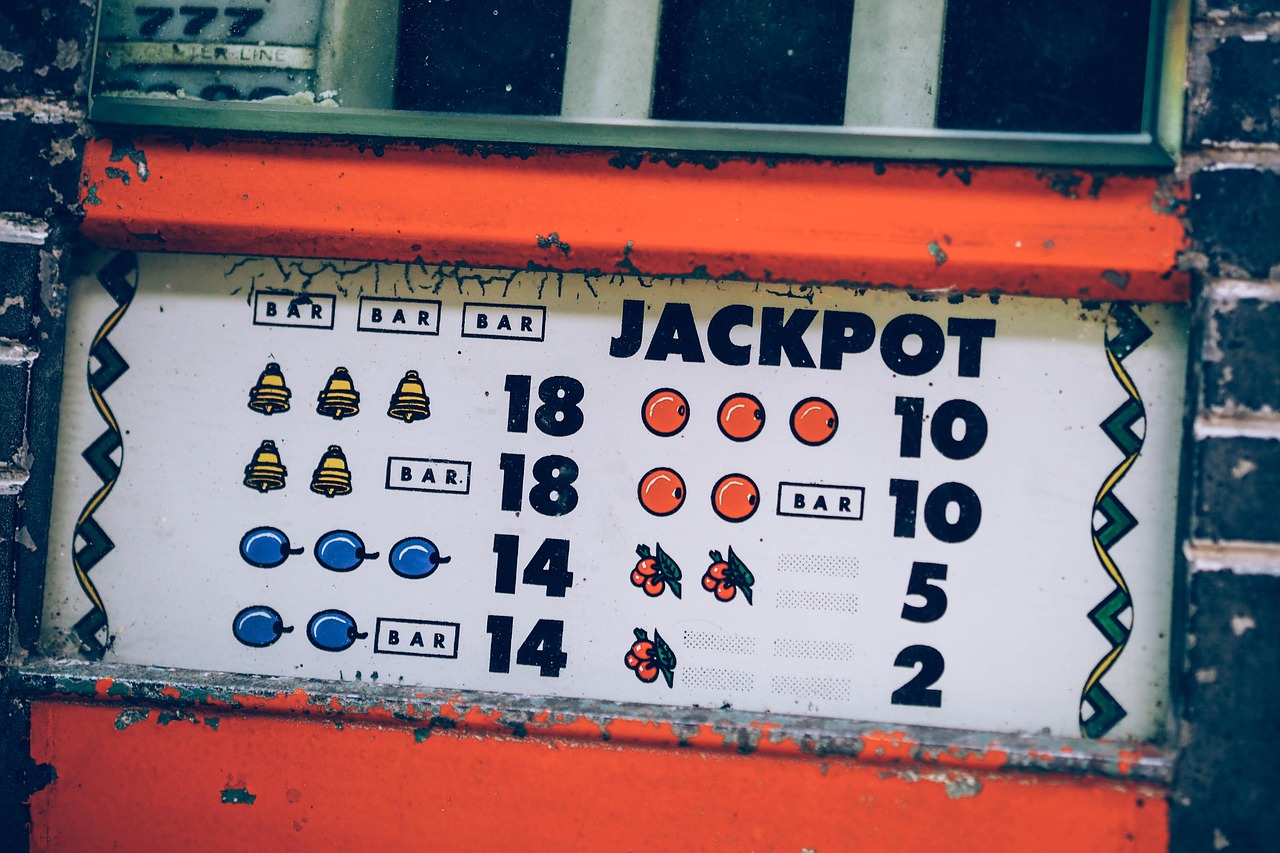
Take slots. Modern video slots often have a return to player (RTP) between 92% and 97%. That means for every $100 wagered, you'll get back $92 to $97 over the long run. The house edge is 3% to 8%. Compare that to blackjack, where basic strategy can reduce the house edge to under 1%, or video poker variants like Jacks or Better, where a 9/6 paytable gives you a 99.5% RTP. Sports betting? The vig on a standard -110 line is about 4.5%. Poker is different because you're playing against other players, not the house—the casino just takes a rake.
So why do slots dominate? Because they're simple, flashy, and require zero skill. But if you want the best odds, mix in some blackjack or video poker. If slots are your jam, look for high-RTP titles. Games like Blood Suckers (98% RTP) or Mega Joker (99% with optimal play) are famously player-friendly.
Let's bust a few persistent myths that keep players making bad decisions.
One concrete tip: set a loss limit before you start. If you're playing a slot with a 4% house edge and $100 bankroll, your expected loss per hour (at 500 spins/hour, $1/spin) is $20. That's entertainment cost, not an investment.
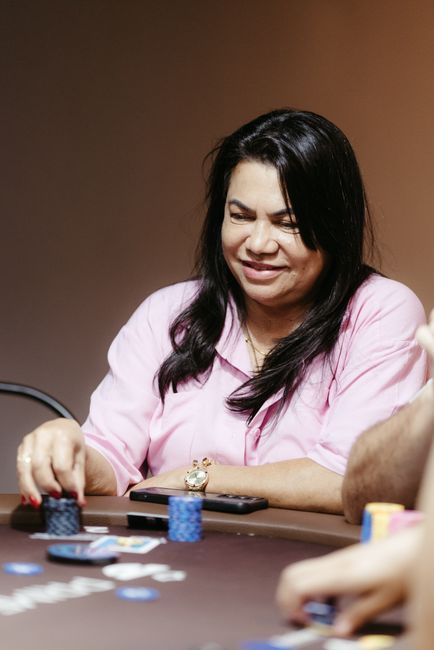
Poker is the only game in the house where you can have a long-term edge. But that edge is small and takes work. If you're a beginner, start with tight-aggressive play: only play strong starting hands (pairs, AK, AQ, and suited connectors in late position), bet your good hands, and fold the rest.
Position is king. Acting last gives you information. On the button, you can play a wider range because you see what everyone does before you act. A common mistake is playing too many hands from early position—that's a leak that bleeds money.
Bankroll management is non-negotiable. For cash games, never buy in for more than 5% of your total poker bankroll. For tournaments, keep buy-ins to 1-2%. If you have a $1,000 bankroll, play $1/$2 cash games (buy-in $200) or $10-$20 tournaments. This protects you from variance, which can be brutal. Even a 60% favorite loses 40% of the time. Readers looking for specifics may like musang4d.
Track your results. Use a free tool like a spreadsheet or a poker tracking app. If you're losing after 10,000 hands, you have a leak. That's a sample size where skill starts to show.
Sports betting is not about picking winners; it's about finding value. The odds reflect the public's perception and the bookmaker's margin. Your job is to identify when a line is mispriced.
Example: The Chiefs are -150 to beat the Raiders. That means you bet $150 to win $100. The implied probability is 150/(150+100) = 60%. If you think the Chiefs actually have a 70% chance of winning, that's value. But if you think they have a 55% chance, you're overpaying.
Shop around. Different sportsbooks offer different lines and promotions. A half-point difference in NFL spreads can turn a loss into a push or a win. And always calculate the vig: a standard -110 line on both sides means the book takes about 4.5% of the total handle. That's your hurdle.
Prop bets often have higher vigs (10-15%). Stick to main markets (moneylines, spreads, totals) unless you have a strong edge.
Welcome bonuses look generous—100% match up to $500! But the fine print can trap you. Look for these key terms:
My rule: only claim a bonus if the expected value is positive. Rare, but possible with low wagering (10x) and high-RTP slots. Otherwise, skip it and play with your own cash for freedom.
Casinos and sportsbooks are engineered to keep you playing. Lights, sounds, near-misses—all designed to trigger dopamine. The smartest players set strict rules: a budget, a time limit, and a walk-away number. If you win big, pocket the original stake and play with the rest. If you lose your limit, stop. No chasing.
Remember, the only guarantee in iGaming is variance. You can play perfectly and still lose. The goal isn't to beat the house every session; it's to make your money last, enjoy the entertainment, and maybe—just maybe—catch a lucky break. That's the real edge.
Previous Post
The Psychology of Tilt in Online Poker: Why You Lose Control
Next Post
The Reality Behind iGaming: What Casinos Don't Tell You