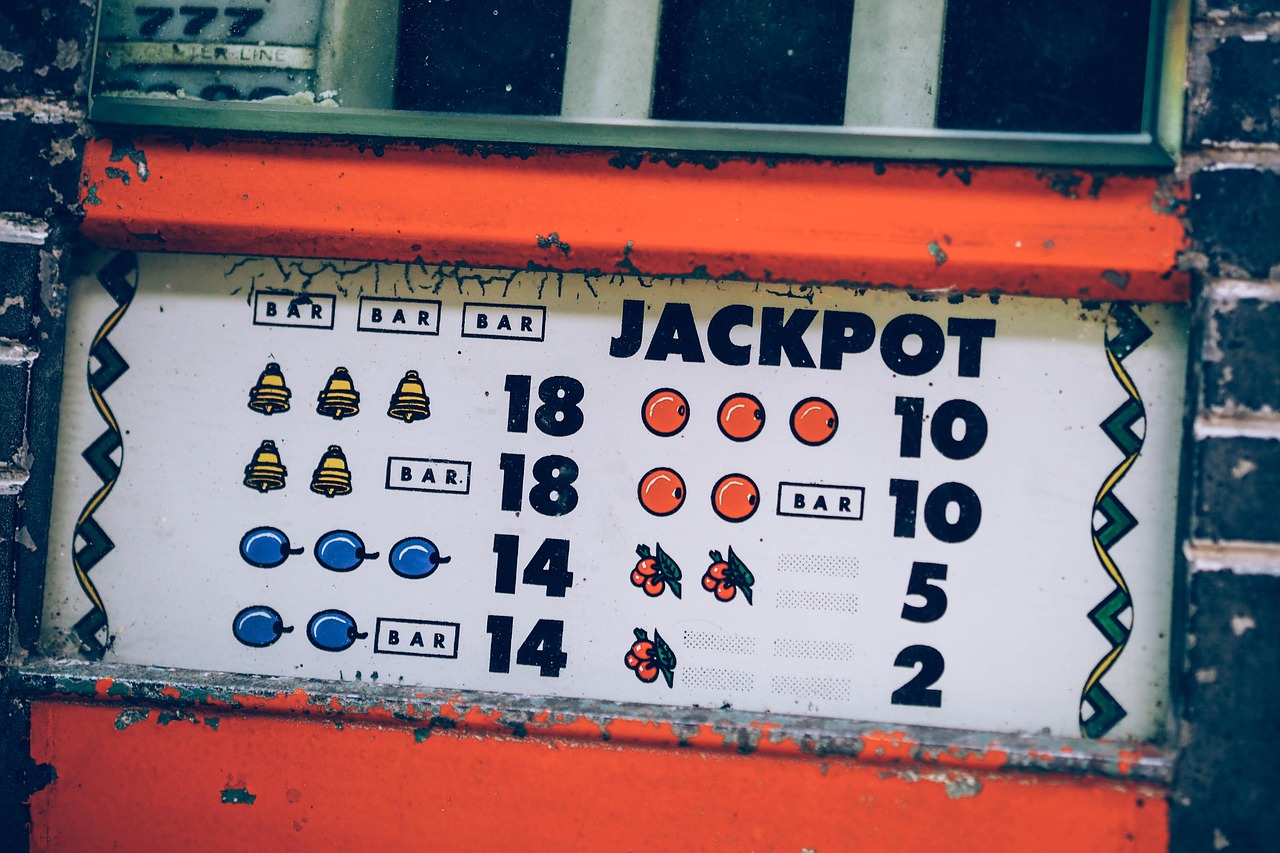
Slot Volatility Explained: Why Your Bankroll Depends On It

Two players sit down at the same online slot, both deposit $100, both spin for an hour. One walks away with $340. The other is down to $12 and swearing the game is rigged. Same RTP, same paytable, same game — so what actually happened? The answer sits in a number most players never bother to check: volatility. Understanding it is probably the single most useful piece of knowledge you can carry into any casino, land-based or online.
Let's clear up the most common misconception first. A slot with a 96% RTP (return to player) does not mean you get back $96 for every $100 you wager in a session. It means that over millions of spins — often tens of millions — the game returns roughly 96% of all money wagered to players collectively. The remaining 4% is the house edge. That calculation has nothing to do with your individual hour of play.
What determines whether your $100 survives an hour is volatility, sometimes called variance. It describes how the wins are distributed. A low-volatility slot pays small amounts frequently, keeping your balance relatively stable. A high-volatility slot can go 200 spins without a win, then suddenly drop a 500x multiplier. Both can have identical RTPs and feel like completely different games.
Here's a concrete example that illustrates the point better than any theory. Say you have a $100 bankroll and spin at $1 per spin. Readers looking for specifics may like บาคาร่า.
On a low-volatility slot with a 97% RTP and a 40% hit frequency, you'll statistically hit a win roughly every 2.5 spins. Your balance might drift from $100 to $85 over 300 spins, but you'll stay in the game. Sessions of an hour or more are realistic.
Now take a high-volatility slot with the same 97% RTP but a hit frequency of 18%. You might go 30 spins without a single return. At $1 a spin that's $30 gone in a few minutes, and if the cold streak continues, your $100 could vanish before the bonus round ever triggers. Players who don't understand this blame the game. Players who do understand it either lower their stake or choose a different title.
A rough rule of thumb used by experienced players: your session bankroll should be at least 100x your average bet on high-volatility slots, 50x on medium, and 25–30x on low. It's not a guarantee, but it dramatically reduces the chance of busting out during a normal dry spell.
Most reputable casinos and software providers publish volatility information on the game info screen or in the help file. If it's not there, you can often infer it from the max win. A slot advertising a 5,000x maximum win is almost always high volatility. One topping out at 500x is typically low or medium.
Other tells to watch for:
There's a real tactical advantage here. If you're playing with a $50 deposit and want an evening of entertainment, a high-volatility Megaways slot is a poor choice. If you've got $300 and you're chasing a big hit, a low-volatility fruit machine will bore you and cap your upside.
The concept isn't unique to slots, though it's most visible there. In blackjack, basic strategy reduces variance; taking insurance or deviating from the book increases it. In roulette, betting on red is low volatility, betting a single number is maximum volatility — same house edge, wildly different experience.
Poker is where volatility gets genuinely interesting. A winning cash game player with a positive expected value can still lose for weeks due to variance. Tournament poker is even more extreme: the majority of entrants in a large-field event will never cash, but the ones who do can multiply their buy-in by hundreds of times. Bankroll management in poker is essentially a volatility-management discipline. The standard advice of 20 buy-ins for cash games and 100+ for tournaments exists purely because of variance, not because players are bad.
Volatility doesn't change the house edge, and it doesn't make any game more or less winnable over the long run. What it does change is the shape of your experience: how long your money lasts, how often you see a return, and how big the swings get. Players who treat every slot or table game the same are essentially ignoring the one variable they can genuinely plan around.
Next time you load a game, spend thirty seconds checking the RTP and the max win. Ask yourself whether the volatility profile matches what you're actually looking for — a long, steady session or a shot at something big. That single habit won't beat the math, but it will make you a smarter player than the vast majority sitting next to you. And in a game where the house always has an edge, being smarter is the only edge worth chasing.
Previous Post
Coastal Bunting Guide: How to Choose and Hang Bunting in Windy Seaside Gardens
Next Post
Slot Volatility Explained: Why Your $100 Dies Fast or Lasts All Night